Optimal Timing for Flagpole Installations
Flagpole installations are typically best scheduled during moderate weather conditions to ensure safety and optimal performance. Timing can significantly impact the durability and stability of the installation, making it essential to consider seasonal factors.
Spring and fall often provide ideal weather conditions with moderate temperatures and low wind speeds, reducing installation risks.
Avoid installation during extreme cold, heat, or high wind days to prevent safety hazards and ensure proper setup.
Dry soil conditions in spring and fall facilitate easier digging and secure anchoring of the flagpole.
Scheduling during off-peak seasons may allow for more flexible timelines and resource availability.
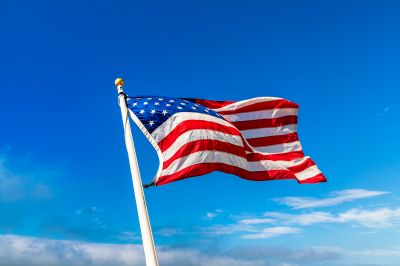
Spring offers mild weather, ideal for safe and effective flagpole setup.
Summer conditions can be challenging due to heat and wind, requiring careful planning.
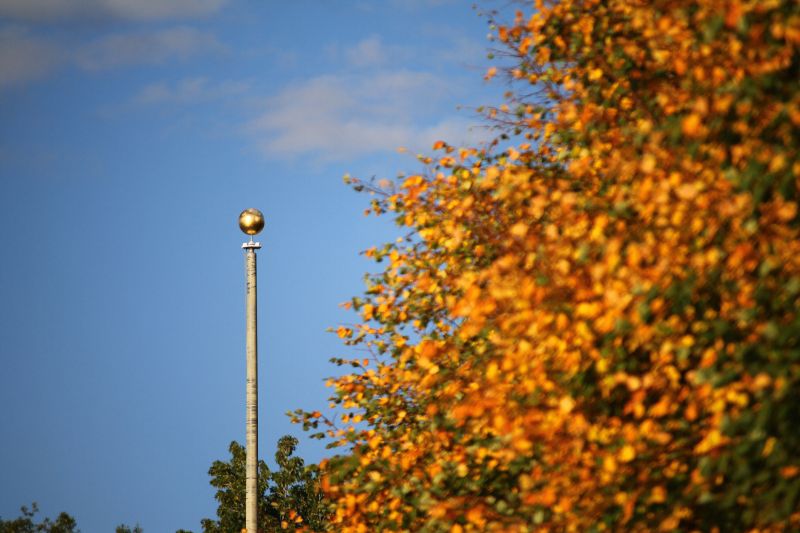
Fall provides cool, dry conditions suitable for installation projects.
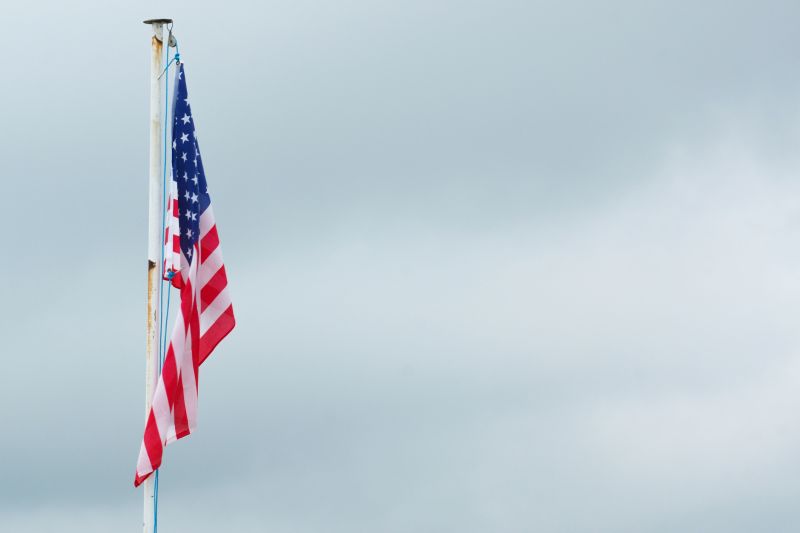
Winter poses risks from cold and snow, generally making it less suitable for installation.
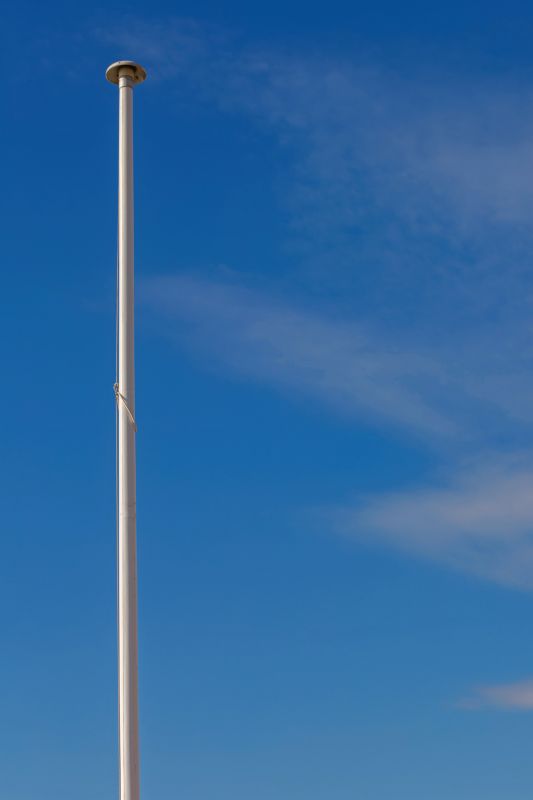
Ways to make Flagpole Installations work in tight or awkward layouts.
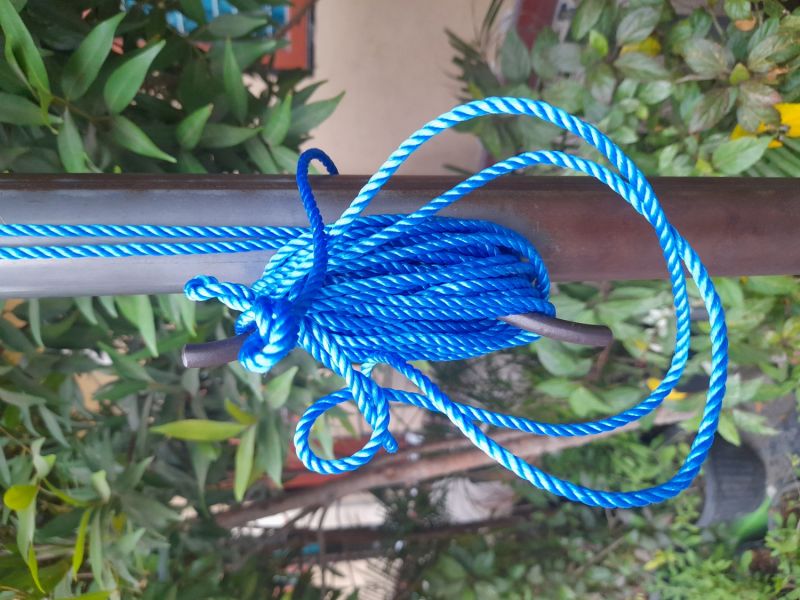
Popular materials for Flagpole Installations and why they hold up over time.
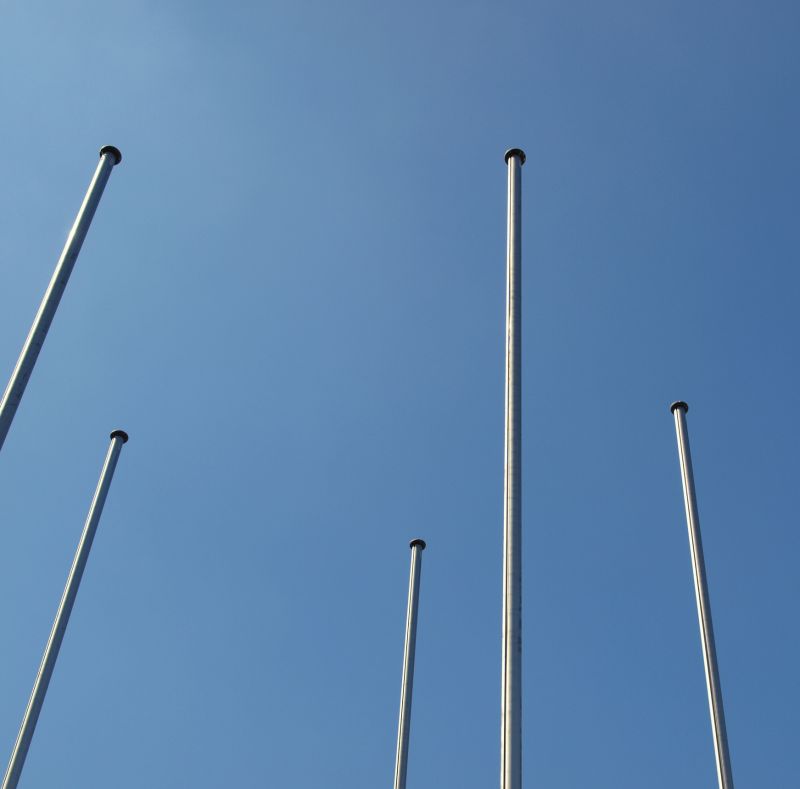
Simple add-ons that improve Flagpole Installations without blowing the budget.
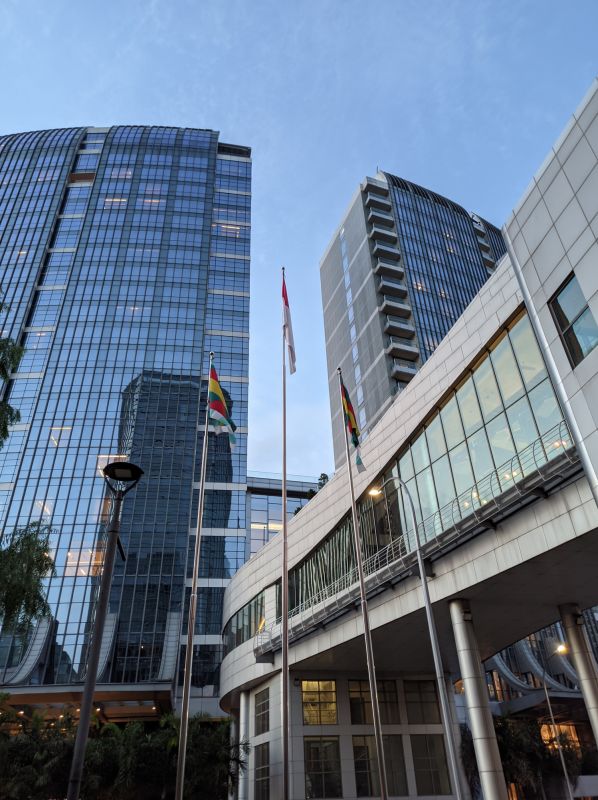
High-end options that actually feel worth it for Flagpole Installations.
Flagpole installations involve precise planning and execution to ensure stability and longevity. Proper site assessment, soil testing, and weather consideration are crucial steps in the process. Selecting the right time of year can influence the ease of installation and the durability of the setup, especially in regions with variable climates.
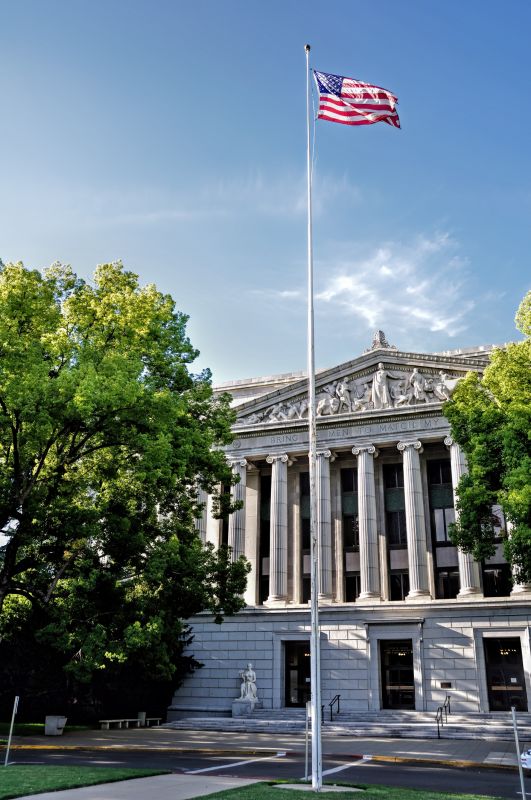
Specialized tools and equipment are used to ensure secure installation.
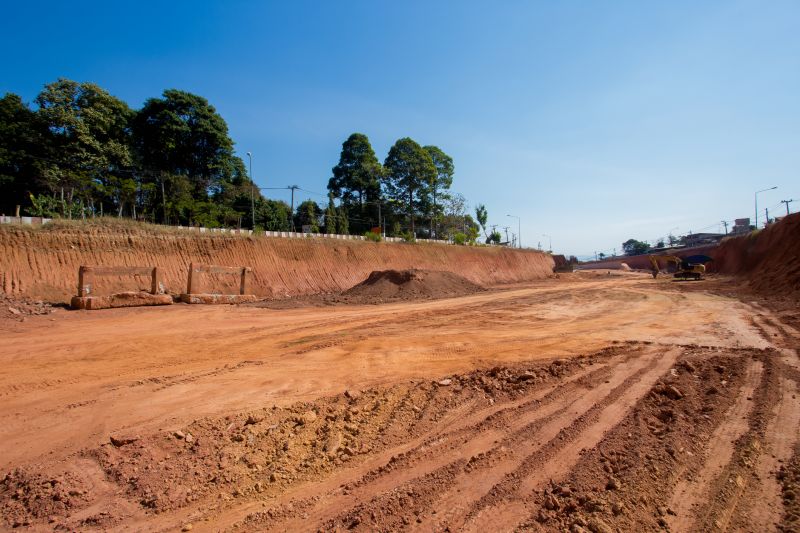
Clearing and leveling the site are essential for a stable foundation.
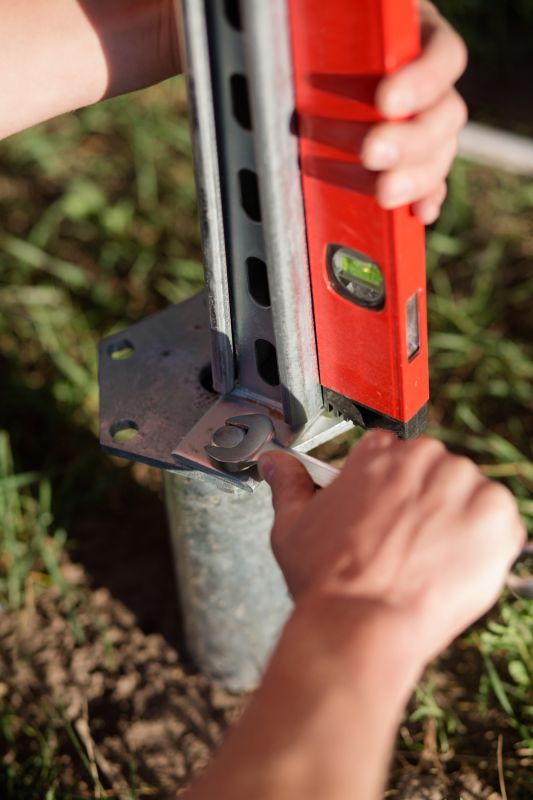
Deep anchors and concrete bases provide stability against weather conditions.
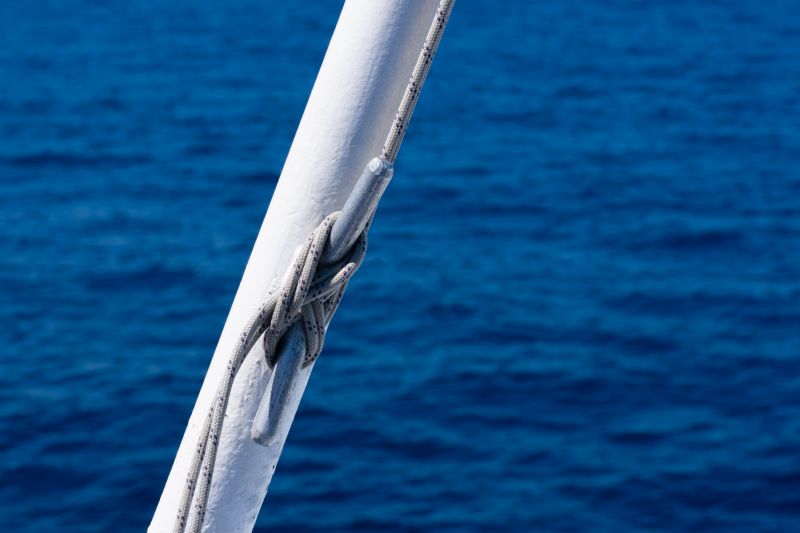
Proper safety protocols are followed during installation to prevent accidents.
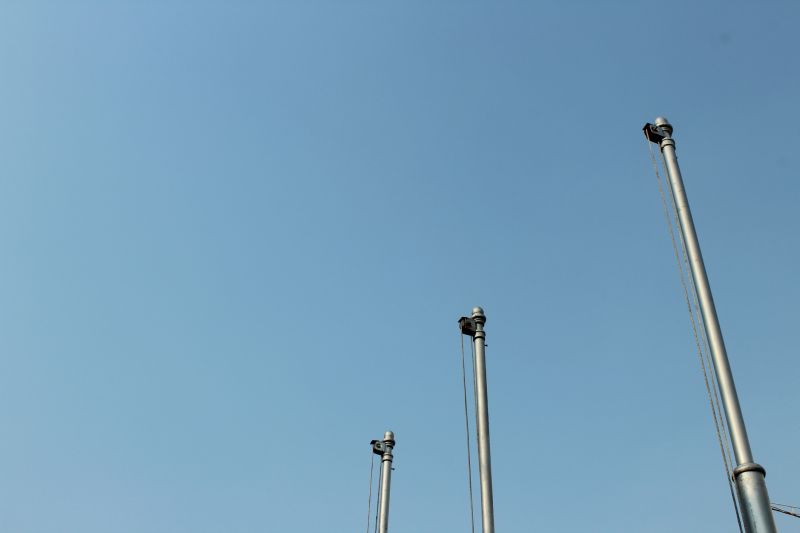
Finishes and colors that play nicely with Flagpole Installations.
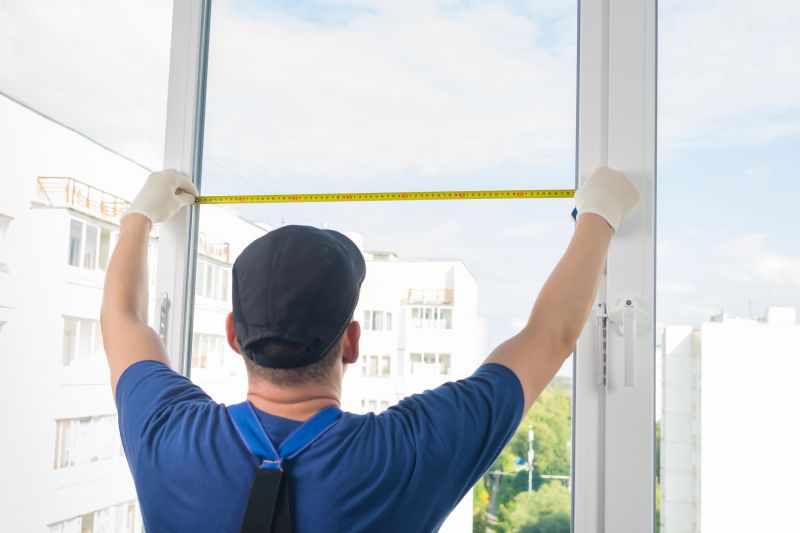
Little measurements that prevent headaches on Flagpole Installations day.
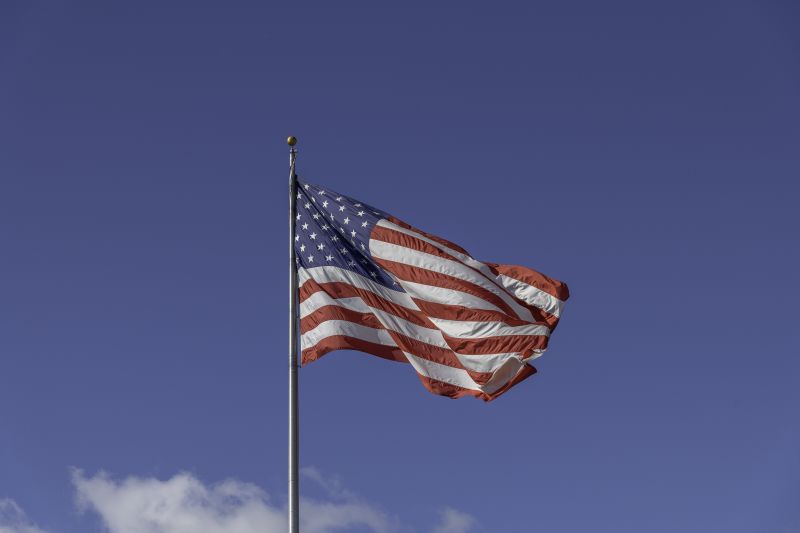
A 60-second routine that keeps Flagpole Installations looking new.
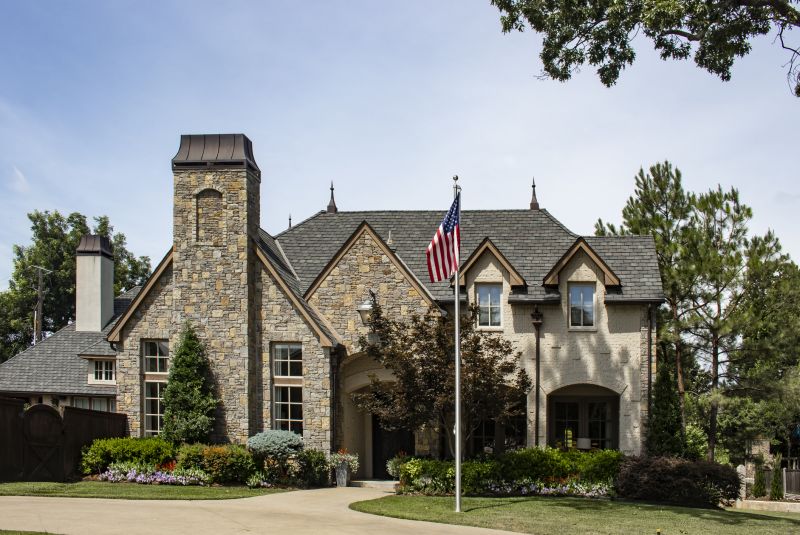
A frequent mistake in Flagpole Installations and how to dodge it.
| Season | Advantages |
|---|---|
| Spring | Moderate weather, ideal soil conditions, less wind |
| Summer | Longer daylight hours, flexible scheduling |
| Fall | Cool, dry conditions, stable weather |
| Winter | Less suitable due to cold and snow |
Choosing the appropriate time for flagpole installation can enhance safety, reduce costs, and improve the longevity of the setup. Consulting with experienced professionals can help determine the best season based on local climate conditions and project requirements.
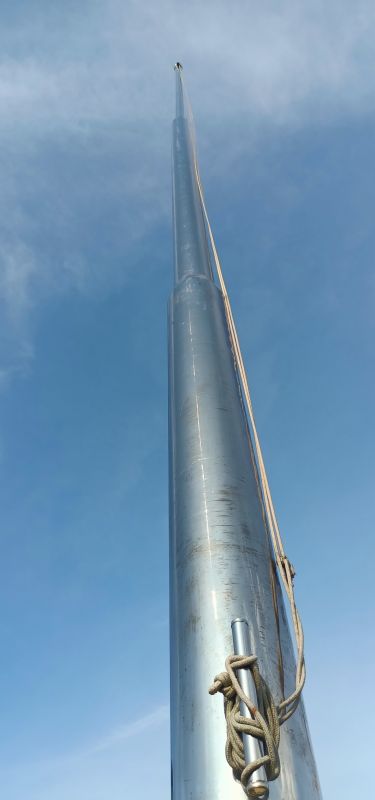
Spring installations benefit from mild weather and stable ground conditions.
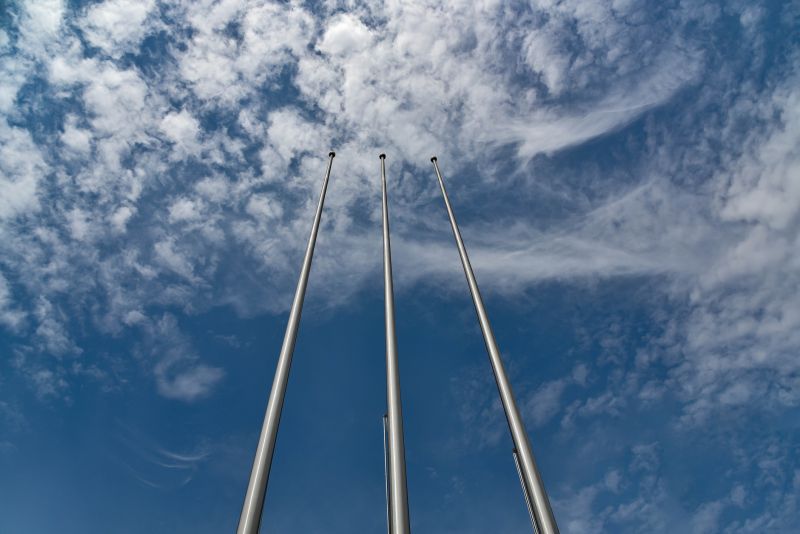
Fall provides cool, dry days suitable for safe installation.
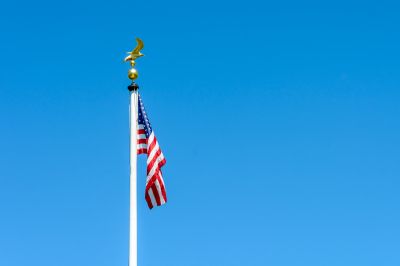
Summer requires caution due to heat and wind, but offers longer working hours.
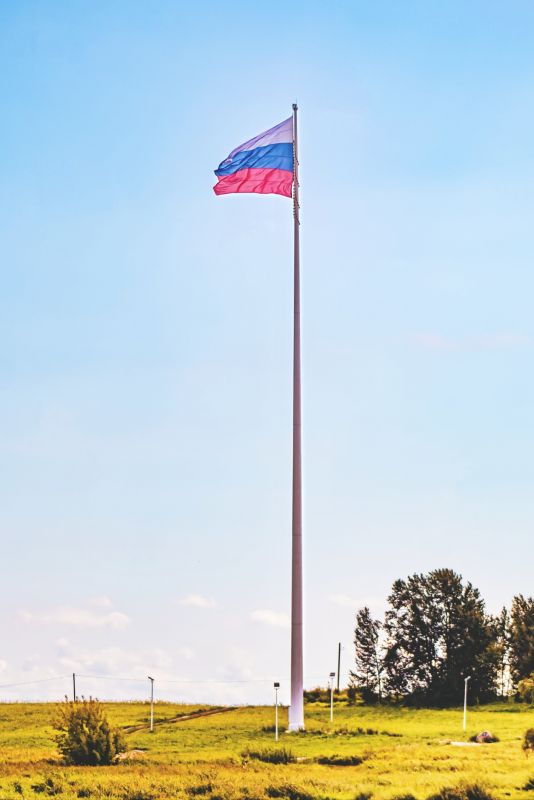
Winter is generally less favorable due to cold temperatures and snow accumulation.
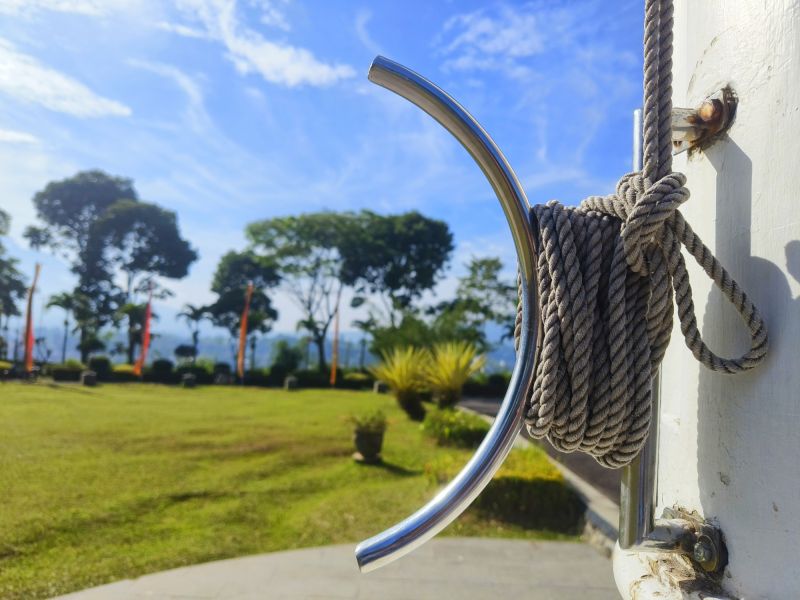
Small tweaks to make Flagpole Installations safer and easier to use.
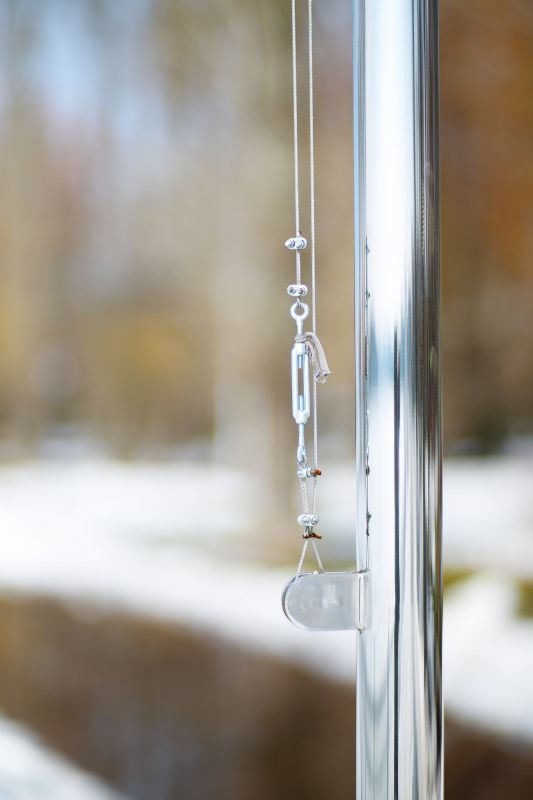
Lower-waste or water-saving choices for Flagpole Installations.
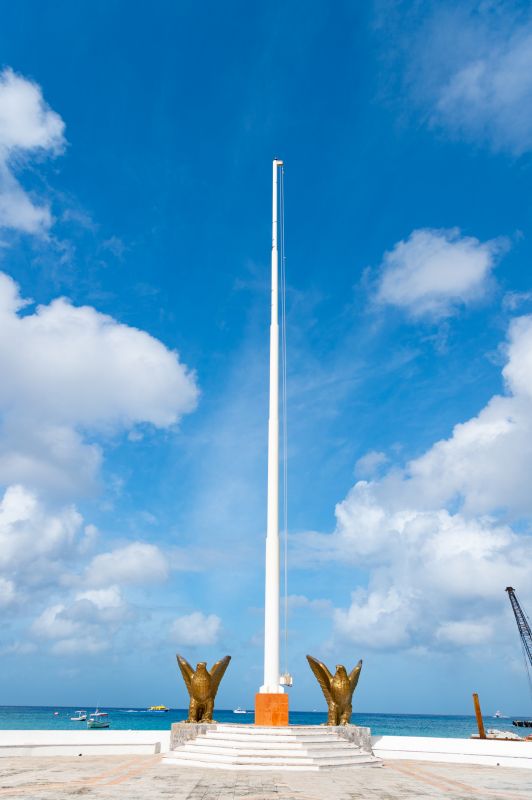
The short, realistic tool list for quality Flagpole Installations.
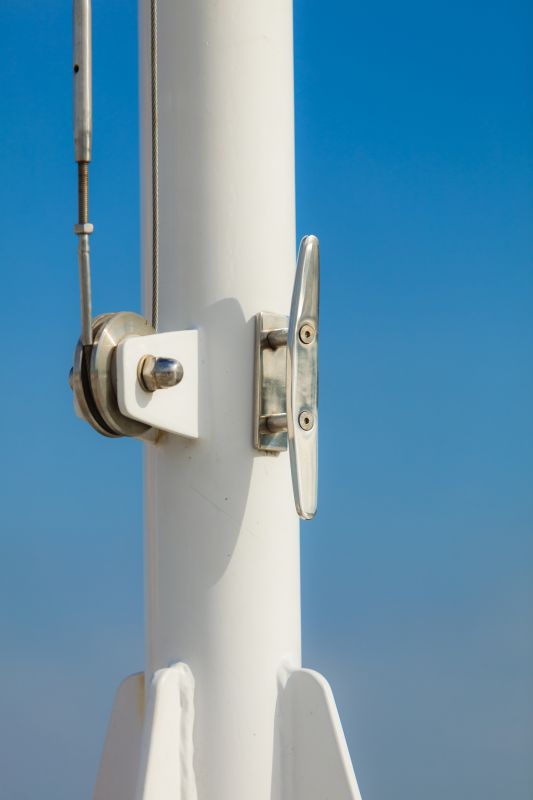
Rough timing from prep to clean-up for Flagpole Installations.
Interested in flagpole installation services? Filling out the contact form can provide more information and schedule consultations tailored to specific needs and local conditions.